Summary
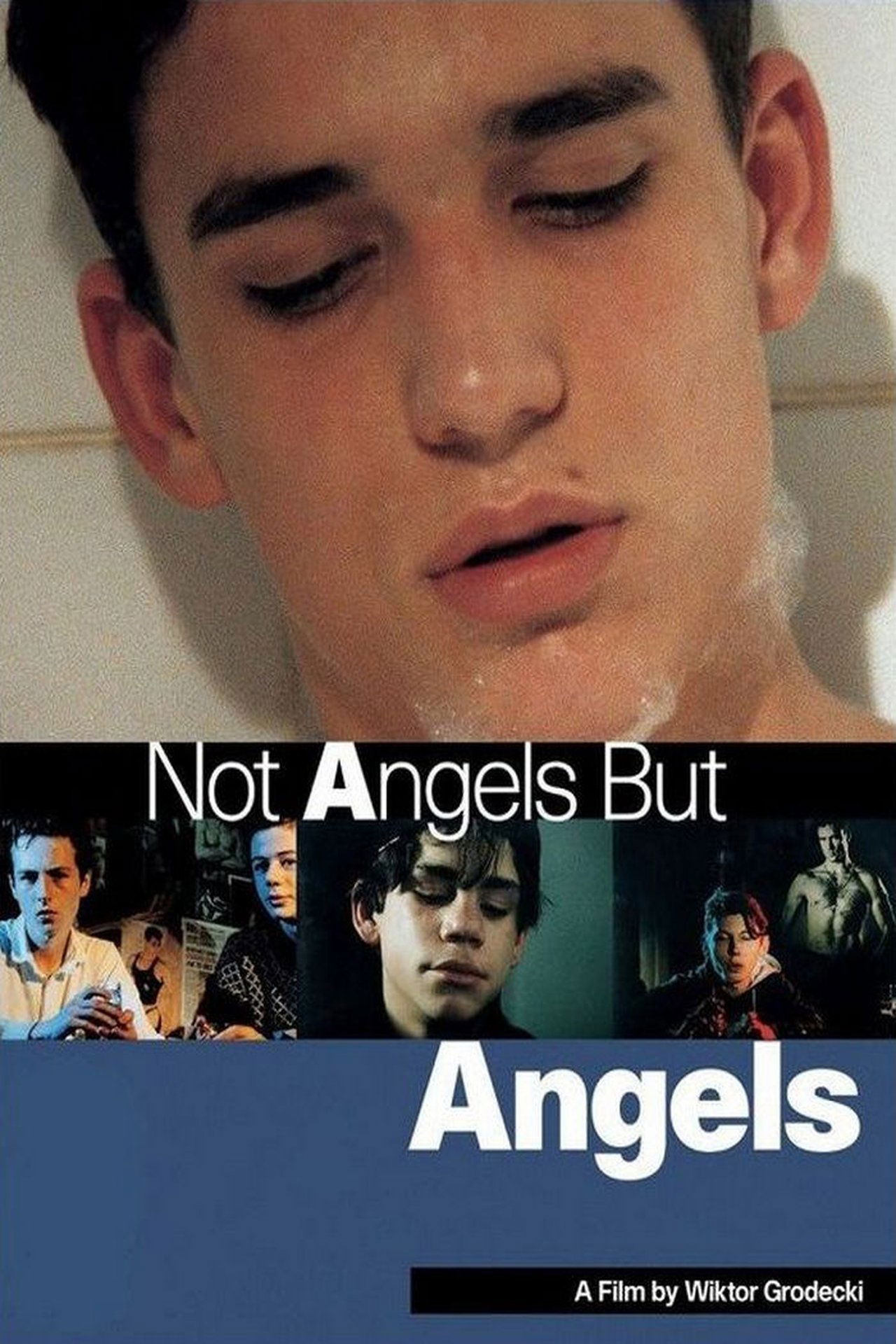
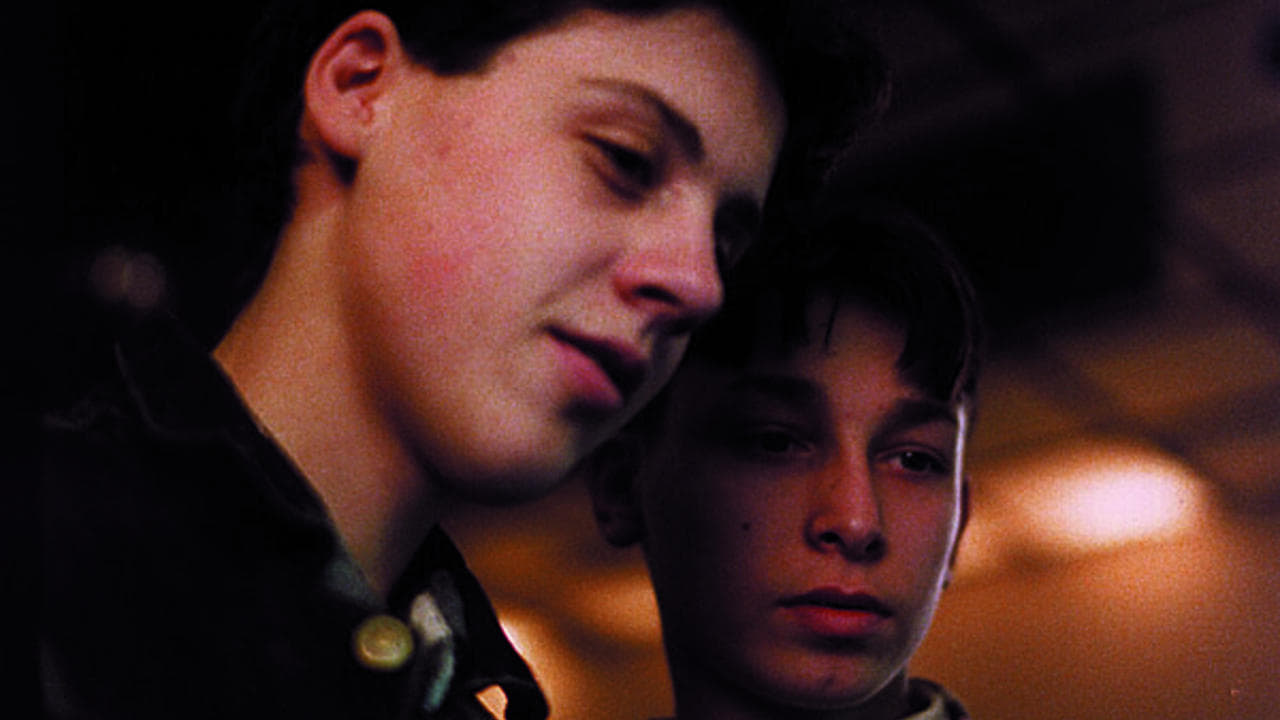
Interviews with a procurer and with nineteen boys and young men who are prostitutes in Prague. The youths range in age from 14 to 19. They hustle at the central train station and at clubs. Most of their clients are foreign tourists, many are German. The youths talk about why they hustle, their first trick, prices, dangers, what they know about AIDS, their fears (disease and loneliness), and how they imagine their futures. The film's title, its liturgical score, much of it elegiac, and shots of the city's statues of angels underline the vulnerability and callow lack of sophistication of the young men.
Details
Release Date: July 1, 1994
Runtime: 80 minutes
Genres: Documentary
Original Language: CS
Rating: ⭐ 5.8/10 (20 votes)
Wiktor Grodecki's Male Prostitution Trilogy
Mandragora
Marek is a 15-year-old from a provincial village who runs away to Prague when he begins to fail at school. He is mugged shortly after arriving in the city and is rescued by Honza with the promise of work. Marek is taken to an apartment, drugged, and becomes a male prostitute. He is a bit smarter than his colleagues and teams up with a friend, David, in order to go after bigger scores – to cash in and get out. They manage to stash away a bit of money, but when it comes time to return home, Marek loses his nerve and is soon back in the city.

Body Without Soul
A stark documentary about young male prostitutes in Prague, aged 15 to 18, who work the streets, train stations, and clubs. Through candid interviews and behind-the-scenes footage of gay porn shoots, the film explores their lives, struggles, and dreams, touching on themes of exploitation, identity, AIDS, and survival.

Not Angels But Angels
Interviews with a procurer and with nineteen boys and young men who are prostitutes in Prague. The youths range in age from 14 to 19. They hustle at the central train station and at clubs. Most of their clients are foreign tourists, many are German. The youths talk about why they hustle, their first trick, prices, dangers, what they know about AIDS, their fears (disease and loneliness), and how they imagine their futures. The film's title, its liturgical score, much of it elegiac, and shots of the city's statues of angels underline the vulnerability and callow lack of sophistication of the young men.
Similar movies

I Feel Pretty

Fantasy Island

The Last Duel
Joker

Fantastic Beasts: The Secrets of Dumbledore

Don't Look Up